We manufacture custom apparel, sportswear, gloves & gear for the brand you’re building.
Bring your design, your technical pack, or the idea you can’t stop thinking about. Karimanwears connects the creative brief with materials, patterns, samples, branding, and production.
Field-ready ideas start with a technical brief. Discuss the intended use, coverage, panel construction, reinforcement, and branding for your paintball range. Define the requirements of each item before choosing materials or approving a sample.
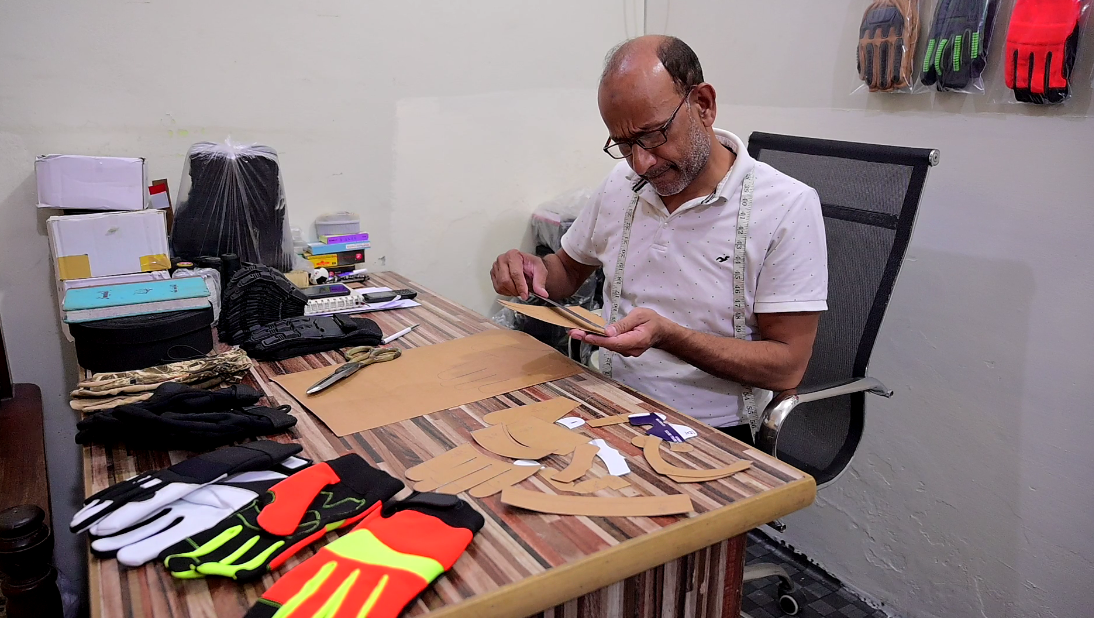
Develop gloves around the hand, the activity, and the details that matter in use. Our catalogue includes golf, fencing, MMA, and weightlifting gloves. Bring your reference, sizing needs, palm or grip priorities, closure, and branding direction.
Turn a gym accessory concept into a defined product. Our catalogue includes barbell pads and gym grips. Discuss materials, dimensions, attachment, reinforcement, and intended use so the sample can be assessed against a clear purpose.
Build clothing around the identity of your brand. From a T-shirt or hoodie concept to a coordinated range, define the silhouette, fabric, fit, colour, finishing, and labels. Use a sample to bring those decisions together in one physical reference.
Plan match, training, and team clothing with coordinated artwork and an accurate size breakdown. Discuss activity, fit, materials, crest and sponsor positions, names, and numbers. A clear roster connects every personalized product to the right wearer.
Design for the movement your customer actually makes. Define the intended fit, stretch, recovery, coverage, seams, and branding for a fitness range. Assess the complete sample on the intended wearer, alongside the approved measurements.
Give outer layers the development attention they deserve. Discuss shell and lining direction, fit, closures, pockets, cuffs, and branding. Explain whether the jacket belongs to a team range, a fashion collection, or another defined use.
Start with the discipline and the wearer. Uniforms and training products need a brief covering materials, fit, seams, reinforcement, branding, and any applicable rules. Confirm product-specific requirements as part of the development conversation.
Translate your own artwork and collection direction into a wearable product. Discuss pattern scale, placement, colours, fabric, silhouette, and fit. Supply designs you are entitled to use and review how the layout works across the size range.
Treat the smallest brand details as part of the product. Define your patch artwork, dimensions, colours, edge treatment, placement, and attachment requirements. Review the proposed construction at its actual size before approving it for the range.
Bring the product’s purpose into the material discussion. Share references, dimensions, construction, lining, closures, and finishing requirements. Evaluate the proposed material and assembled sample together so appearance and function align with your brief.
Begin with the intended workplace and applicable product requirements. Define garment layout, materials, visibility-related components where needed, fit, and branding. Discuss documentation or testing requirements before the specification is approved.
Have a product that sits outside a familiar category? Send a sketch, reference, or technical pack. Explain its purpose, materials, construction, quantity, and destination. We can discuss feasibility and the development information needed to move it forward.
Behind a finished garment or piece of gear is a sequence of decisions: the right material for its purpose, a pattern that gives it shape, a sample that proves the idea, and instructions that carry the approved details into production.
That is the conversation we have with you at Karimanwears. We manufacture for brand founders, teams, gyms, wholesalers, and businesses, with a range that spans clothing and specialist products. Your project starts with what the product needs to do and the identity it should carry.
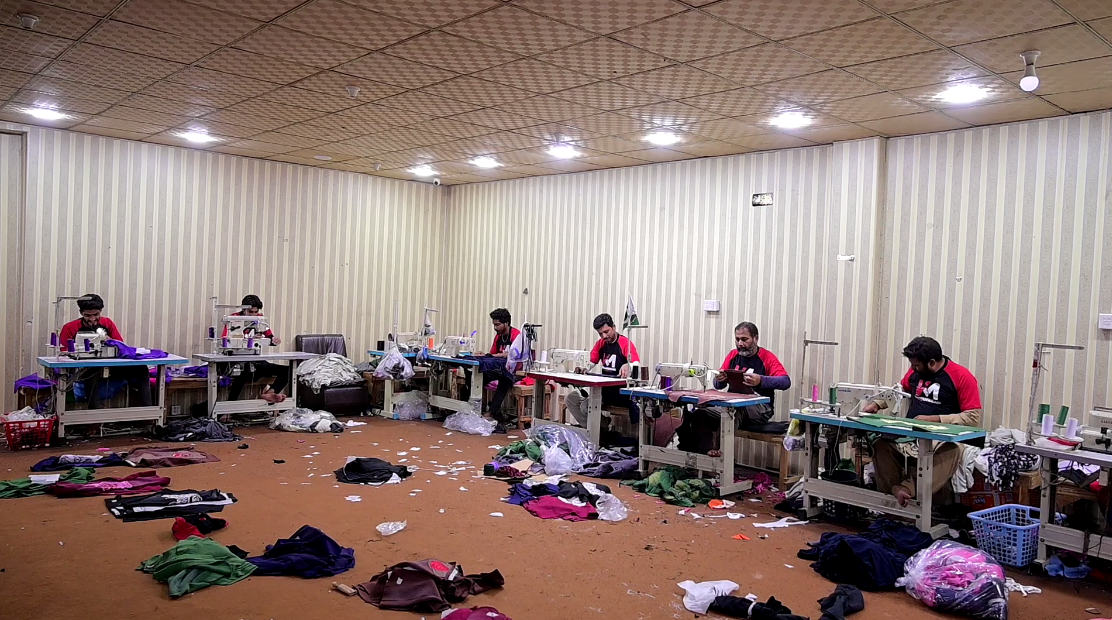
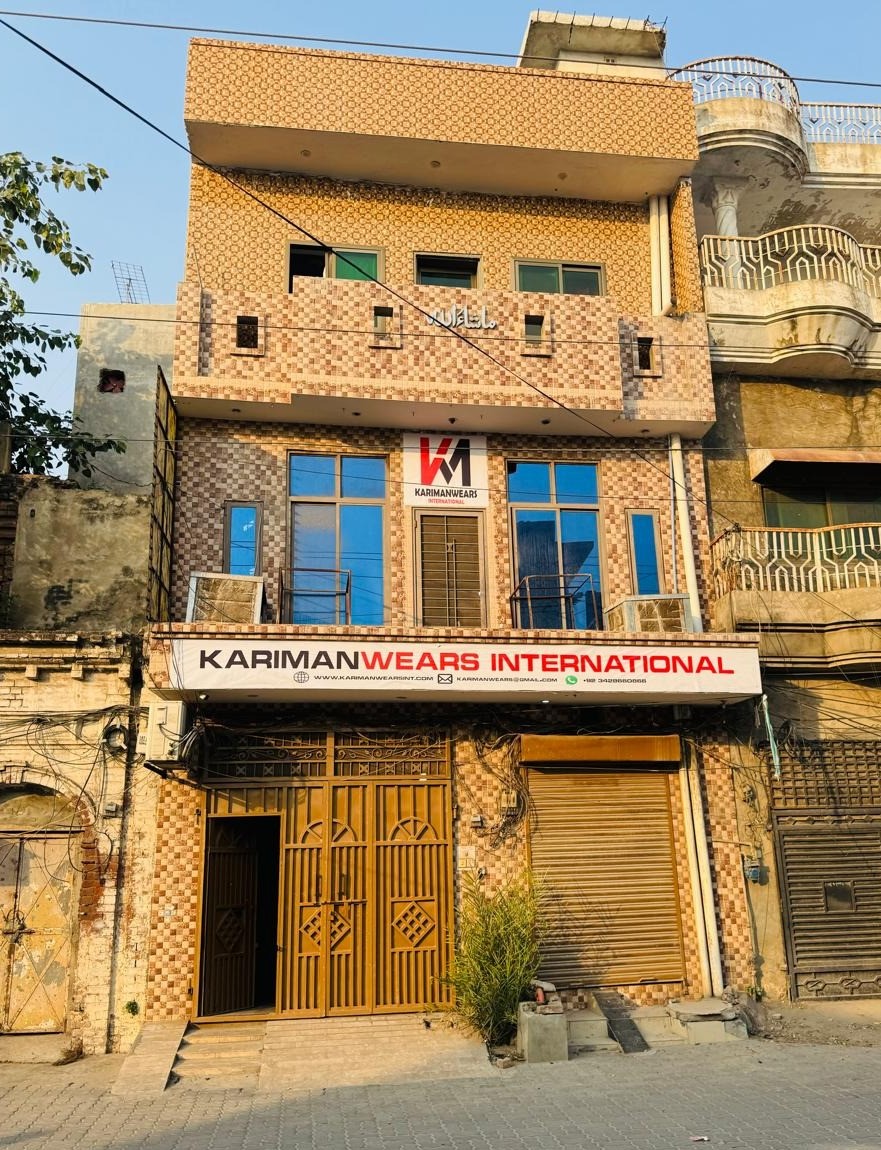
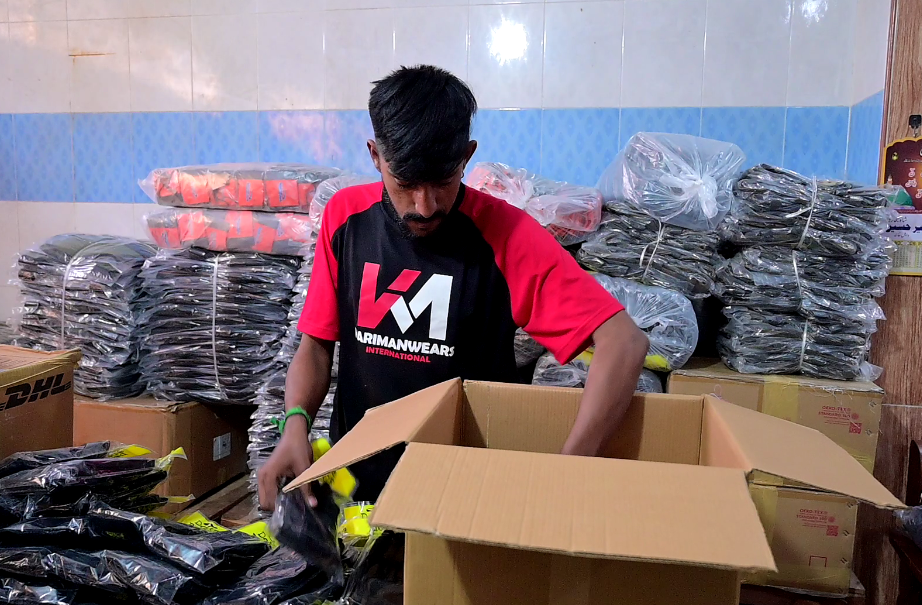
Our manufacturing address is in Rangpura, Sialkot. Inside the factory, product development connects with pattern making, cutting, sublimation, stitching, checking, and packing.
Get to know the work behind your order through our original factory photographs. Use them to ask specific questions about the operations your product needs, then connect the conversation to your sample and specification.
Your approved materials, measurements, artwork, construction, and sample define the product. Discuss inspection requirements and the order’s quality terms before production. If a concern arises, clear references and specific evidence give the review a practical starting point.
Walk through our departments. Each stop connects a real factory photograph with a decision behind your order.
FROM OUR FACTORY / 01
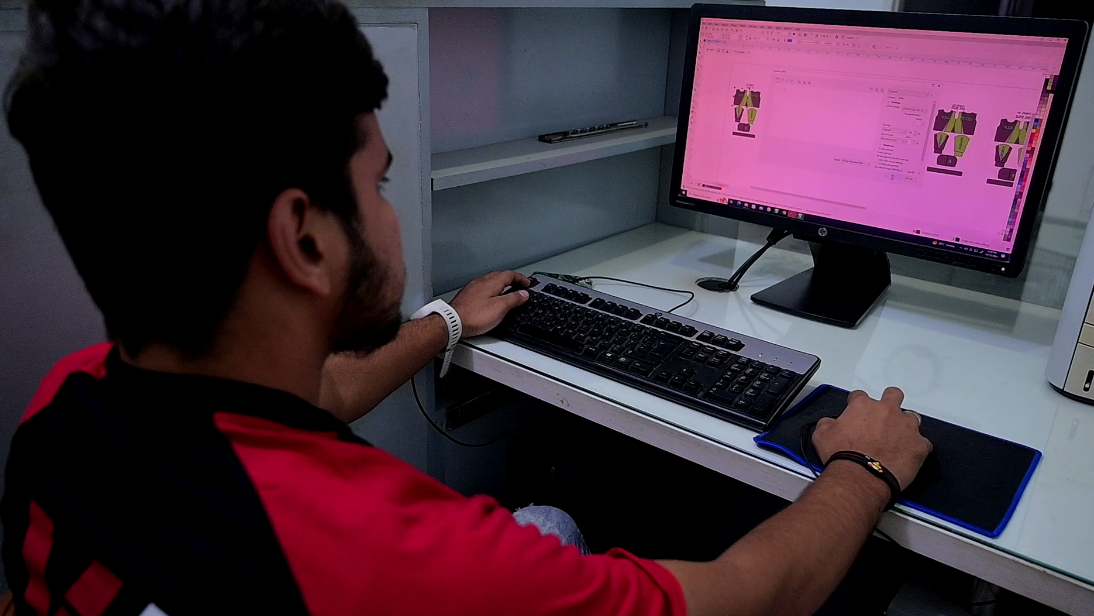
DESIGNING ROOM
The idea becomes a working brief.
Share your product references, artwork, intended use, and the features that make the design yours. This is where visual direction needs to connect with practical instructions: what material, what fit, what branding, and which details are still open for development.
Your input: references, artwork, product purpose.
The decision: what we are developing and what the sample must show.
A product needs more than a size label. Pattern development connects its shape, panels, measurement points, and size range. Define the fit you want and which dimensions matter, then carry that reference into sampling and the final approval.
Your input: size chart, fit direction, construction notes.
The decision: the pattern and measurements the product will follow.
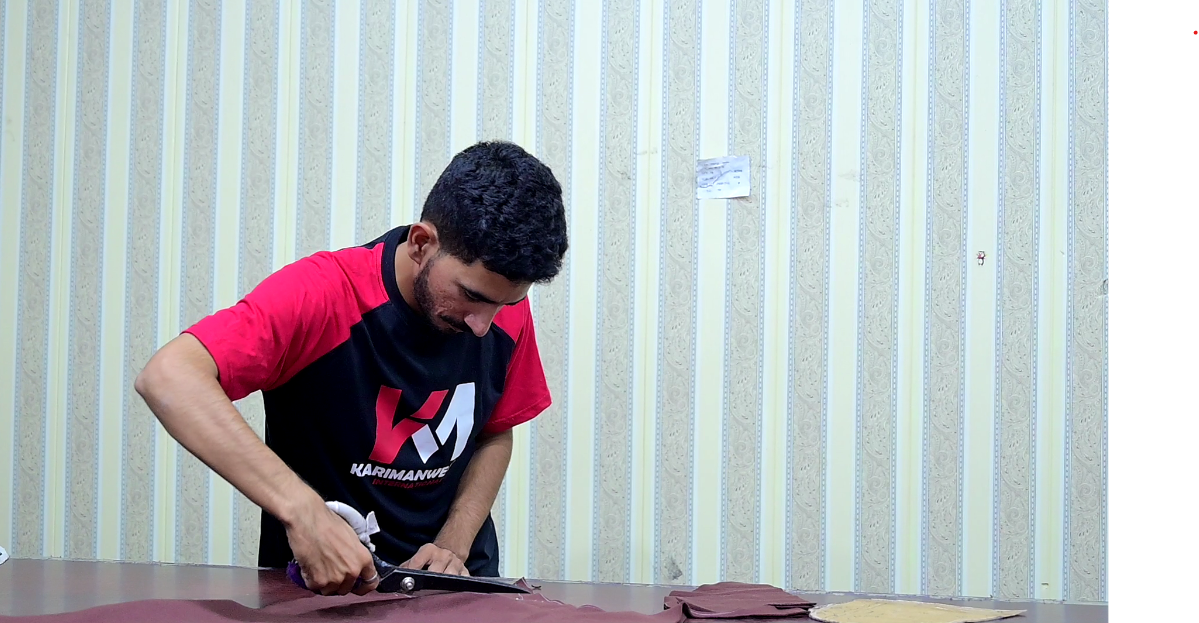
Material selection and panel direction meet the pattern at the cutting stage. Think about matched details, artwork across panels, linings, and the variants in your order. A clear specification keeps these decisions connected as the product takes shape.
Your input: approved material, pattern, and variant breakdown.
The decision: which panels and quantities belong to each product.
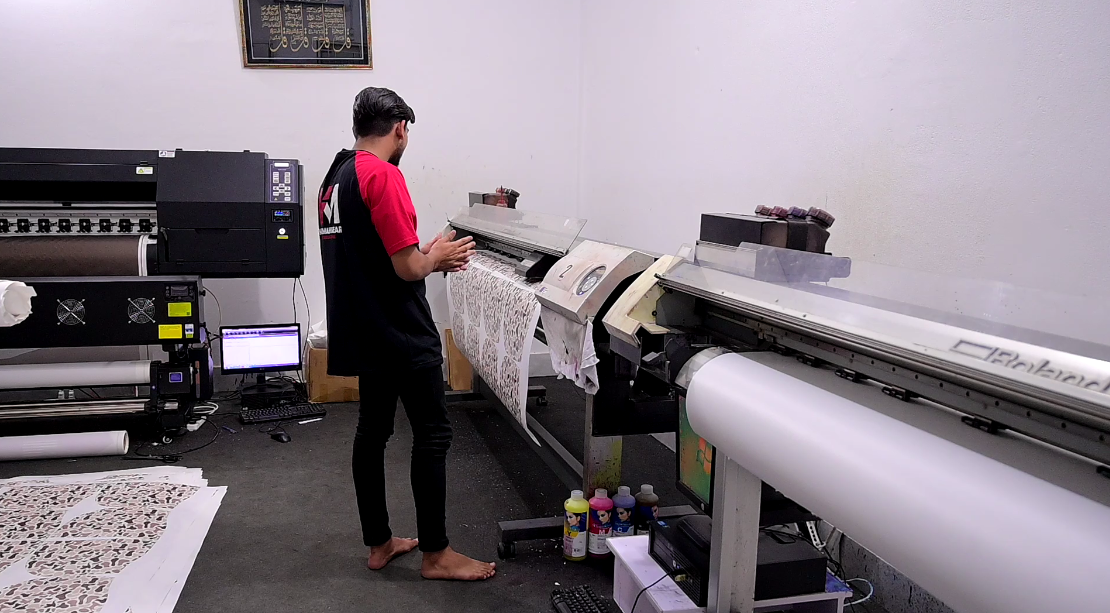
Our factory photography includes sublimation and heat-press work. Discuss the method suitable for your material and design, then define colours, placement, dimensions, and any personalized versions. The decorated sample is the reference for how the idea appears on a real product.
Your input: current artwork and colour references.
The decision: the approved decoration on the chosen material.
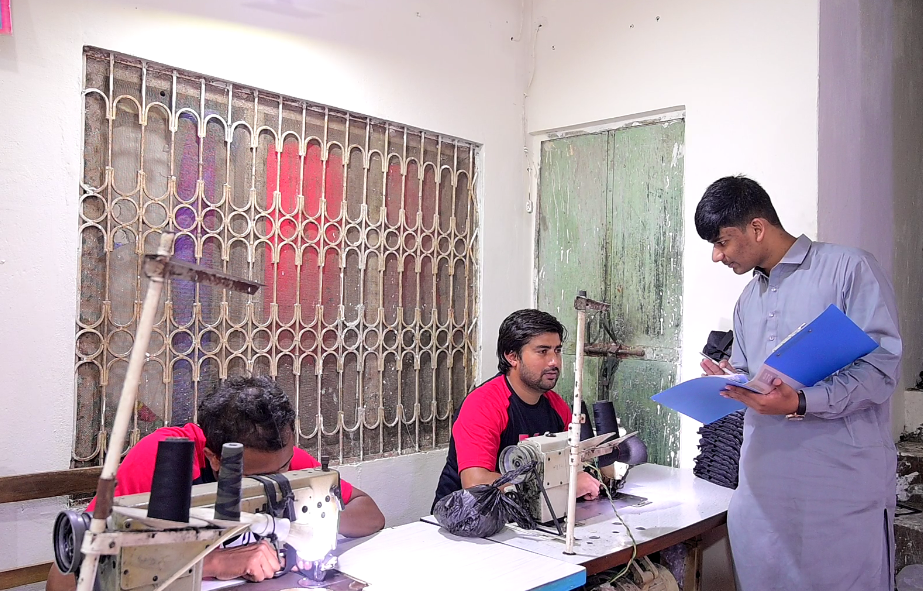
Construction gives the product its shape and function. Seams, closures, reinforcement, trims, and finishing all belong in the technical discussion. Evaluate the complete sample for fit, comfort, appearance, and intended use—not only the fabric or logo in isolation.
Your input: construction details and approved sample notes.
The decision: the assembled reference for your production order.
Quality starts with knowing what was approved. Define critical measurements, branding, materials, and finishing so the order can be assessed consistently. Discuss inspection requirements for your product and keep the specification, sample, and any agreed tolerances together.
Your input: the final specification and critical checkpoints.
The decision: what is checked and how a difference is identified.
Labels, size identification, individual presentation, carton grouping, and quantity records affect receiving as well as appearance. Tell us how your goods will be distributed, then confirm packing and shipment arrangements alongside the manufacturing order.
Your input: labels, packing instructions, destination.
The decision: how the product is identified, protected, and received.
The product may change. A clear brief, a useful sample, and an agreed production reference remain essential.
01
Your first brand
A focused first collection needs clear priorities. Bring an idea, a reference product, or a tech pack. Work through material, fit, branding, and sampling before committing to a production specification.
Coordinate the kit range, wearer sizes, crests, sponsors, names, and numbers. A final roster and approved artwork help connect each product to the right person and keep an order organized.
Create products that reflect your community and its training. Define what members will wear or use, the fit and movement requirements, and whether the range is for issue, retail, or staff.
Build a range around defined styles, quantities, variants, labels, and packing. Retained samples and versioned specifications give future orders a clearer reference for repeat manufacturing.
Organize a range across age groups, teams, and staff. Define suitable measurements, the institution’s identity, approval responsibilities, and how the finished order should be grouped for receiving and issue.
Develop company clothing or promotional products around the audience and purpose. Share brand-approved artwork, intended quantities, presentation requirements, and the date products need to be ready for distribution.
See how a manufacturing enquiry becomes a defined product, an approved order, and a shipment ready for your destination.
01
Send the brief
Introduce your product, intended use, references, quantity, size range, and destination. Explain the decisions you have made and the questions you want to resolve.
02
Review the proposal
Discuss materials, construction, branding, development, and the commercial assumptions behind your quotation. Keep the proposed product and the quoted work connected.
03
Develop the sample
Agree on what the sample should demonstrate. Review materials, proportions, measurements, decoration, and finishing together as a complete product.
04
Approve the reference
Consolidate revisions and confirm the current specification, artwork, size breakdown, packing requirements, and commercial agreement in writing.
05
Manufacture the order
Production follows the agreed reference. Discuss the operations and inspection checkpoints needed for the particular product you are making.
06
Prepare for dispatch
Confirm labels, quantities, grouping, packing, shipment documents, and who is responsible for freight and import arrangements.
07
Receive and review
Check the delivered goods against the order. Keep evidence of any differences and retain the approved references for the next production run.
Your product. Your label. A manufacturing relationship.
You may be looking for a custom apparel manufacturer, a private-label partner, a sportswear supplier, or a factory for your wholesale range. Start with the work you need: developing a new construction, adapting a product, applying your brand, or manufacturing a repeat specification.
Karimanwears brings that conversation back to the product itself. Share what you are making, which features matter, and how the range will reach your customer. We can then discuss the development and production requirements with you.
The proposed fabric or component reference and any agreed substitution.
✓
Fit
Measurement points, size range, intended fit, and sample feedback.
✓
Artwork
The approved files, colour references, positions, and dimensions.
✓
Sample
What the sample demonstrates and which version is approved.
✓
Quantities
The breakdown by style, size, colour, and personalization.
✓
Presentation
Labels, tags, packing, carton grouping, and identification.
✓
Schedule
Milestones, approval dependencies, and the required receiving date.
✓
Responsibilities
Commercial terms, inspection, shipping, and issue-review arrangements.
DOCUMENTS THAT ANSWER THE RIGHT QUESTION
Review the evidence. For your company and product.
Ask us for documentation relevant to your supplier review. Check the company identity, issuing body, scope, and validity. A registration record, a supplier assessment, and a product-specific document each answer a different question.
If your product or destination has testing or other requirements, identify them before development. Discuss which evidence is needed for the actual item being manufactured.
Define your customer and a focused product range. Work through materials, fit, artwork, sampling, and presentation before agreeing on production. Our startup resources help organize each decision.
Bring your retained sample, technical files, material references, and a list of what must match. Treat a supplier transfer as a development project with clear checks and approval points.
Explore our factory context, original photographs, and manufacturing address in Sialkot. Connect what you see with the operations and evidence relevant to your own order.
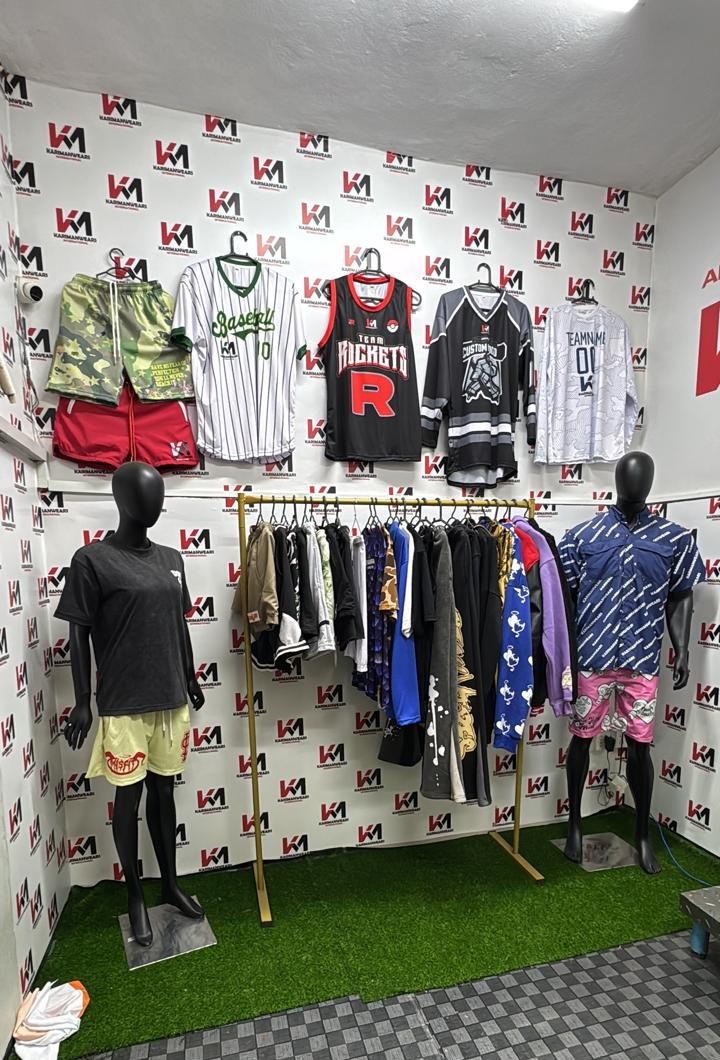
THE DETAILS THAT MAKE IT YOURS01 / YOUR LABEL02 / YOUR ARTWORK03 / YOUR PRESENTATIONIllustration of branding positions. Final construction is developed for your product.
YOUR IDENTITY, IN THE DETAILS
It should feel like your brand. Down to the label.
Your identity lives in more than the main logo. It is in the cut, the material, the colour, the placement of the artwork, and the way the product is presented when it arrives.
Discuss private-label development with us as a connected system: product specification, artwork, labels, size identification, hang tags, and packaging. Supply the files and text that belong to your brand, then review how those choices work on the physical sample.
A sample turns assumptions into something you can hold, measure, wear, and review. It helps you assess the product as a whole: material, proportions, construction, decoration, and finish.
Tell us what your sample needs to demonstrate. If a material or trim is still being finalized, record that difference. Consolidate revisions, keep the artwork current, and approve the specification that production will follow.
Yes. Karimanwears International is a manufacturer in Sialkot, Pakistan. Our factory photographs show designing, pattern making, cutting, sublimation, stitching, inspection, and packing. Tell us which product you want to develop so we can discuss the relevant manufacturing route.
Can you manufacture my own design and brand?
Share your artwork, references, measurements, material direction, and intended quantities. We can discuss custom development and private-label options, including labels, tags, and packaging. The agreed specification sets out the design and branding for your order.
What should I send to get a useful quotation?
Send the product category, intended use, quantity by style or variant, size range, materials, artwork, packing needs, and destination. If some details are undecided, explain what matters most so the development conversation can address those choices.
What is the minimum order quantity?
Minimum quantities depend on the product, materials, variants, components, and customization. Our catalogue contains different minimums for different items. Request a quotation for your own design and quantity breakdown.
Can I review a sample before production?
Discuss a sample plan with our team: what it needs to demonstrate, the materials it will use, charges, revisions, shipping, and timing. Review fit, construction, decoration, and finish, then record the specification approved for production.
How long does manufacturing and delivery take?
The schedule depends on development, materials, approvals, quantity, and shipment arrangements. Share the date you need to receive the goods. Confirm production and transport milestones separately, with time for your own receiving and launch preparation.
How can I check the factory and company documents?
Explore the original factory photographs and contact us with the operations or documents relevant to your project. Request company documentation for your supplier review, and discuss any product-specific testing or evidence required by your destination or intended use.
YOUR IDEA, ORGANIZED
Start with a better brief. Have a better conversation.
A few choices turn a loose idea into a useful starting point. Build a brief, save it, or add it to your enquiry below.
YOUR PRODUCTION NOTEBOOK
This prepares your project brief. Product feasibility, minimums, prices, and timelines are discussed with our manufacturing team.
MANUFACTURING BRIEF↗
Paintball Gear
Bring these details to the conversation
CONTACT THE MANUFACTURER
Your idea. Our next conversation.
Tell Karimanwears what you want to manufacture. Share your product, quantities, destination, and requirements.
Your design. Your specification. Our manufacturing conversation.
Karimanwears International manufactures custom apparel, sportswear, fitness wear, jackets, martial arts wear, gloves, weightlifting gear, paintball products, Polynesian clothing, patches, leather products, safety wear, and other custom items in Sialkot, Pakistan. We work with brand founders, teams, institutions, gyms, wholesale buyers, and businesses developing their own products.
A useful enquiry begins with the product’s intended use, design references, materials, size range, artwork, quantities, and destination. From there, discuss the work needed to turn the brief into patterns, samples, approved instructions, manufacturing, checking, and packing. Private-label presentation can be considered alongside the product so labels, tags, and packaging carry the identity you want.
Use our factory pages and resource library to prepare your questions. Explore fabric selection, decoration, fit, sampling, order planning, and supplier evaluation. Then contact our team for a proposal based on your actual design. Minimum quantities, development charges, schedules, and shipment arrangements are confirmed for the order.
Our manufacturing address is OPP. KASHMIR HOSPITAL, MOH. RANGPURA, Sialkot, Pakistan. Contact us to discuss your product, request relevant documents, or ask about arranging a factory visit.