DEVELOPMENT / 01Define the application before the appearance
A barbell pad and a gym grip solve different product needs. Describe the intended activity, equipment, user, and contact points before choosing a material or graphic. If you have a reference, explain what should remain the same and what should change. Avoid leaving dimensions or attachment assumptions to a catalogue image.
DEVELOPMENT / 02Develop a measurable specification
Document the dimensions, material references, component thicknesses where relevant, opening shapes, closures, and branding positions. Drawings should show how the product is measured, including whether dimensions are taken relaxed, closed, or assembled. Record tolerances and any important fit relationship as part of the development discussion.
DEVELOPMENT / 03Assess the assembled sample
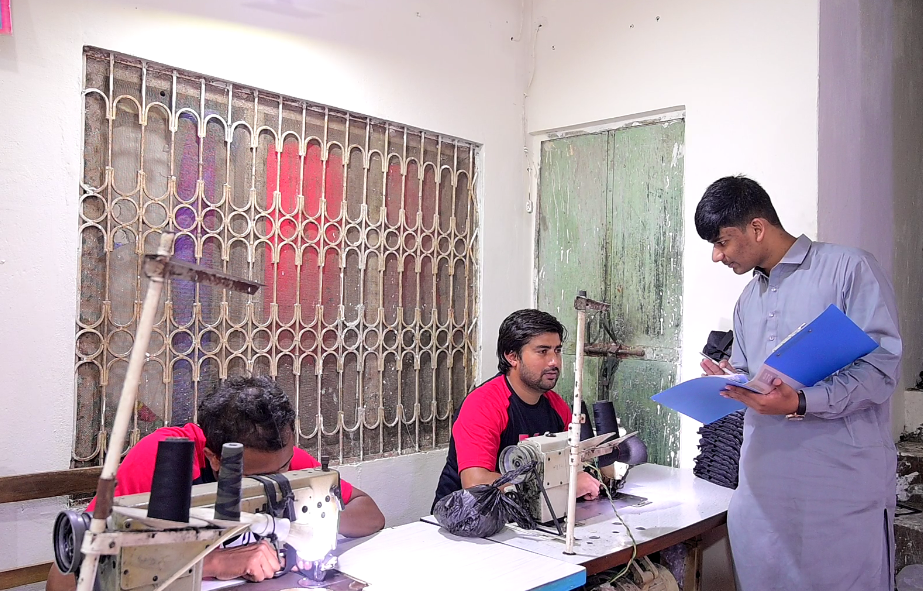
Review the complete product with the relevant equipment and intended user. Check fit, edges, closures, movement, and the placement of the logo. Identify any difference between the sample and the final proposed materials. Consolidate revisions with measured notes and photographs so a new sample responds to clear decisions.
DEVELOPMENT / 04Set product-specific checking requirements
Agree on appearance, measurements, assembly, and functional checks relevant to the item. Do not infer a load rating, protective benefit, or other performance claim from the accessory name. If a defined claim or test is required, identify it before the quotation and agree on the evidence and responsibility for the finished product.
DEVELOPMENT / 05Prepare the range for retail or gym issue
Tell us how the product reaches the end user. A retail range may need individual tags, instructions, product identification, and coordinated packing; a gym issue order may need grouped quantities and simpler presentation. Confirm artwork ownership, quantity splits, sample charges, minimums, and shipment arrangements in the order proposal.